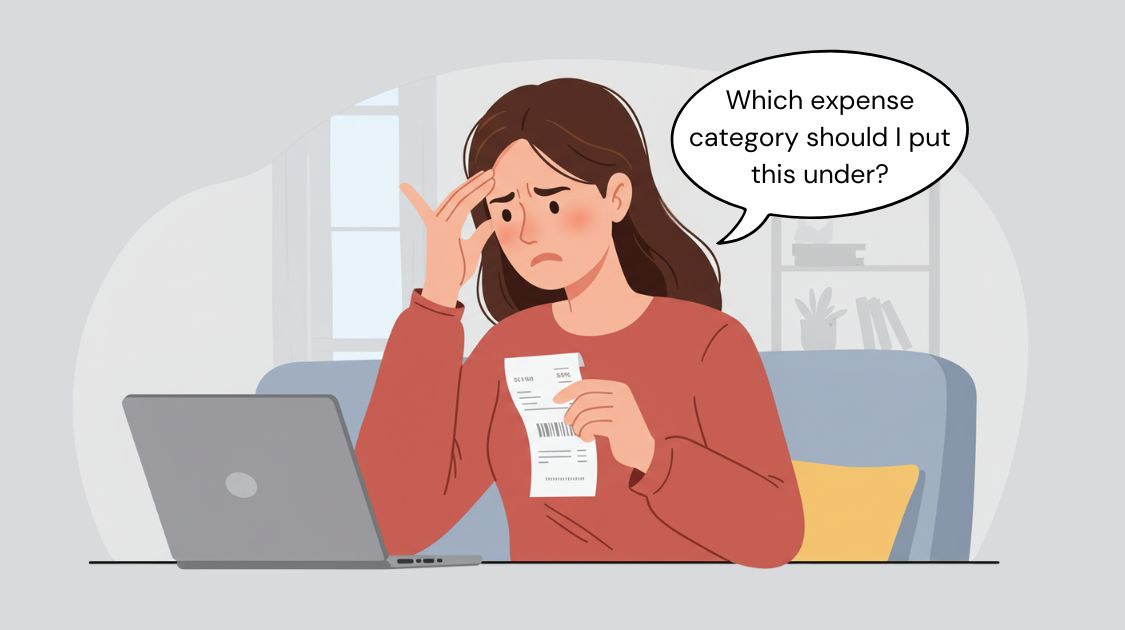



“I’m going to keep a budget this year!” you enthusiastically vowed—only to find yourself sighing in front of a mountain of receipts a few months later. Have you ever had this experience? Or perhaps you worked hard to set a budget, but a sudden, unexpected expense threw off your plans, causing you to give up and say, “Whatever, I’m done.”
If your household management isn’t going well, it’s not because you lack willpower. In many cases, the cause is simply that the management method doesn’t fit your lifestyle or personality. If it’s too detailed, it becomes a chore; if it’s too rough, you can’t see the reality. If you lean too far to either side, it becomes difficult to continue.
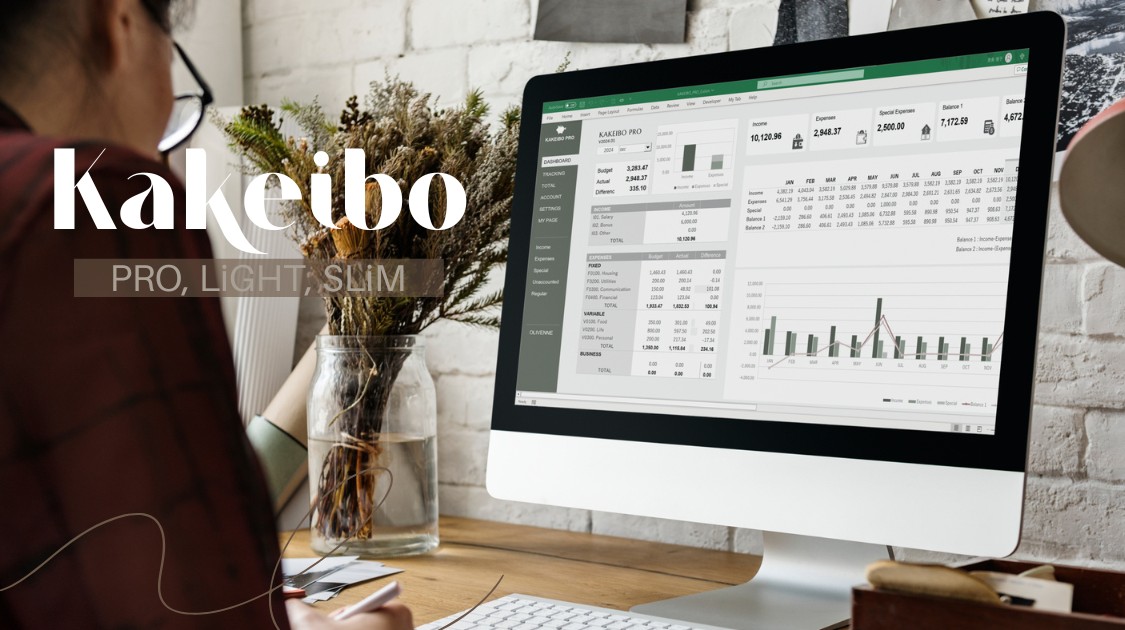
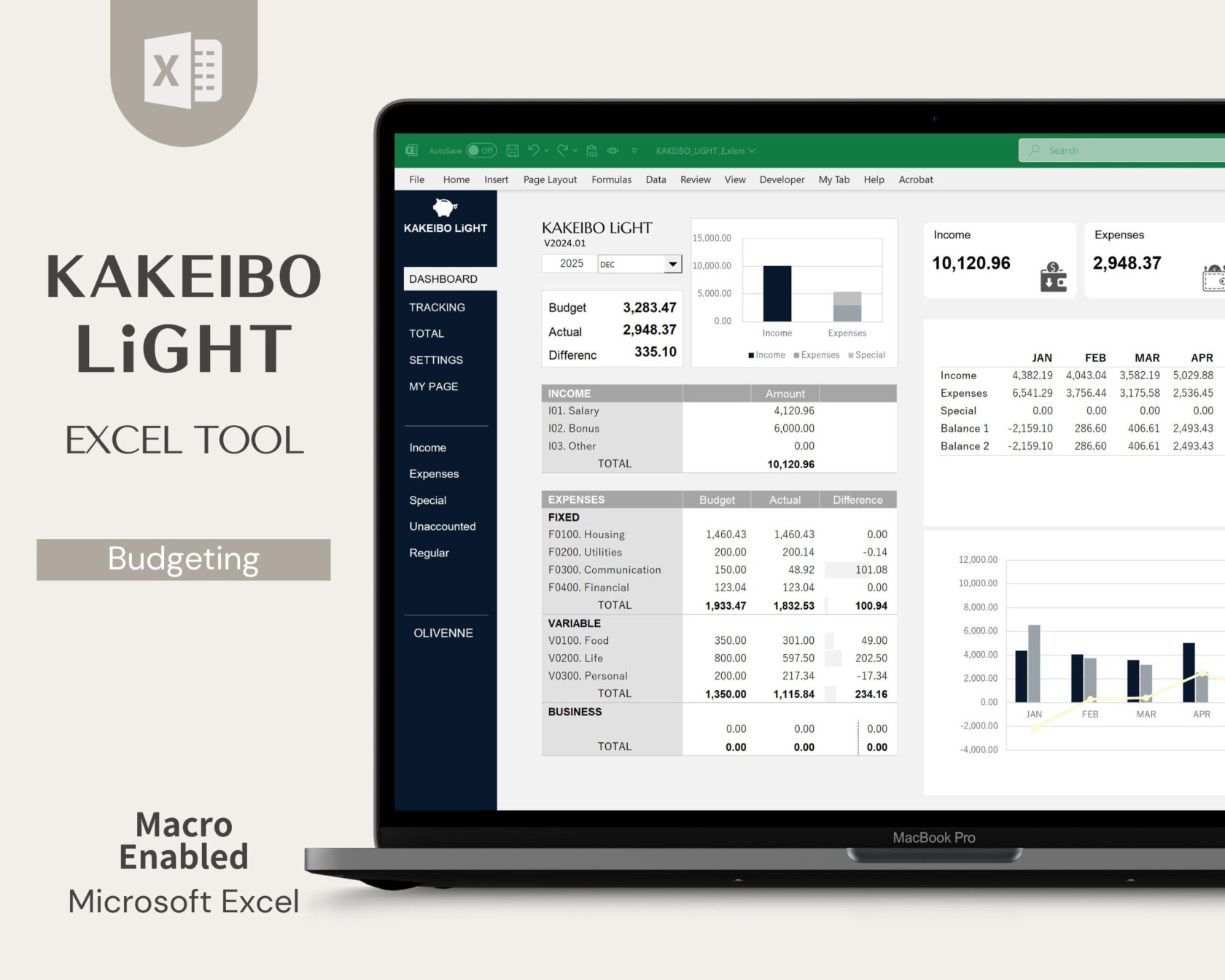
In this article, I will introduce KAKEIBO PRO and KAKEIBO LIGHT, Excel-based household accounting tools developed to achieve that “just-right balance.” Using flexible budgeting by category and a feature for reserving future expenses—both derived from years of experience—why not start building a system that allows you to save money reliably without overworking yourself?
Language: English Japanese
1. Features of KAKEIBO PRO / LiGHT

In this chapter, I will introduce the basic functions and key benefits of KAKEIBO PRO / LiGHT, which I developed by combining years of household management experience with Excel expertise.
One of the biggest reasons people give up on budgeting is that it is either “too detailed and troublesome” or “too vague to understand the actual situation.” This tool was designed to address both extremes.
I will explain the two-stage management system of Categories and Items (the tool’s standout feature), the flexible budget-setting method that forms the foundation of effective household management, and the functions that allow you to manage easily forgotten recurring expenses in a smart and efficient way.
1-1. What Is KAKEIBO PRO / LiGHT?

Commercial budgeting apps don’t quite click with me, but creating an Excel sheet from scratch seems difficult… So what exactly is KAKEIBO PRO / LiGHT?
Many of you may be wondering the same thing. KAKEIBO PRO / LiGHT is a completely original household accounting tool developed by combining the know-how I cultivated through years of budgeting in daily life with the Excel skills I honed in my professional work.
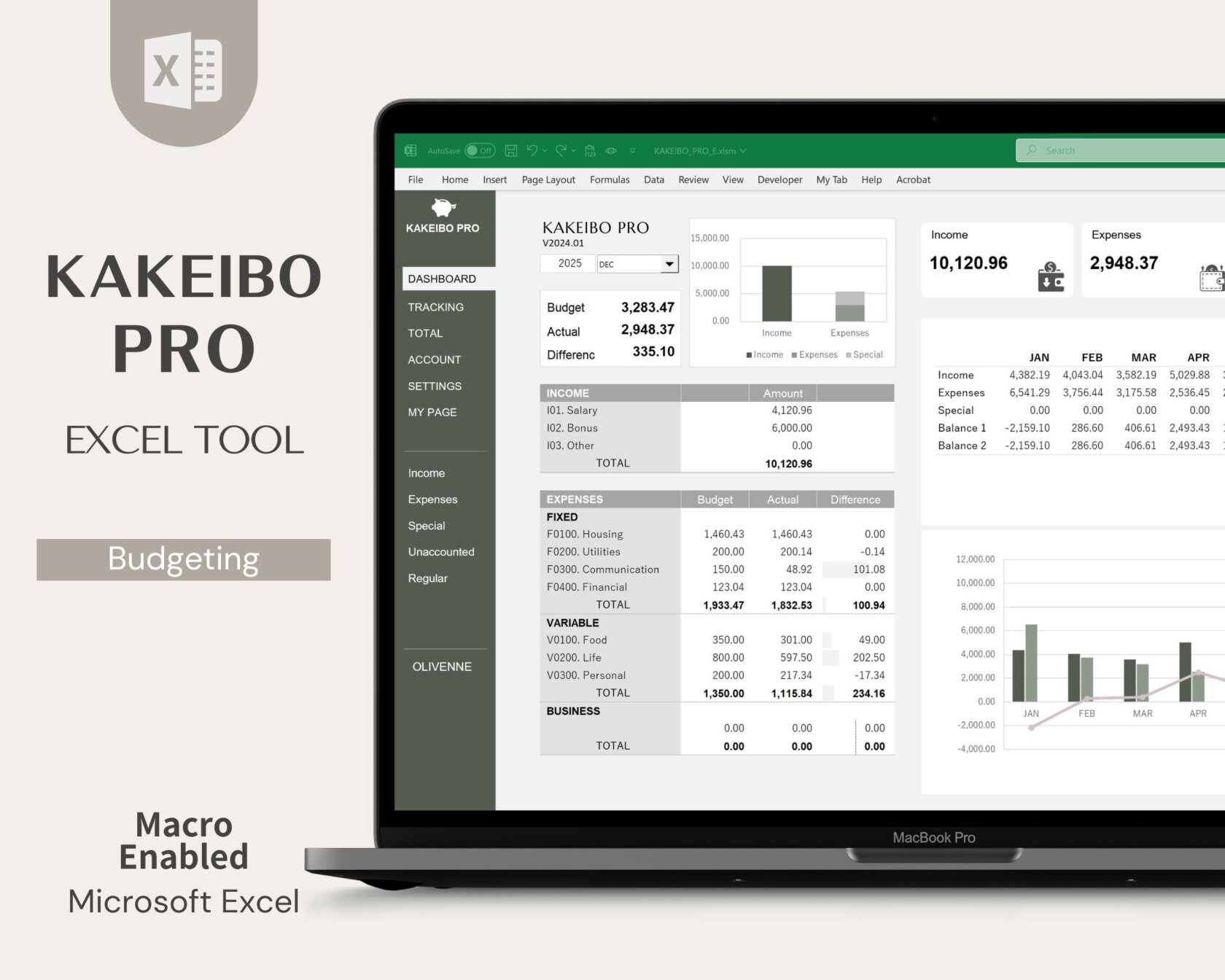
The greatest feature of this tool is its two-stage expense management system: Category (major classification) and Item (detail). For example, imagine a broad Category called Food Expenses, with specific Items such as Groceries, Eating Out, and Cafés beneath it.
You record your daily spending by Item, while managing your overall household finances and checking your budget at the Category level. Because you manage finances broadly from a big-picture perspective, it’s easy to continue—yet you can still clearly grasp the details. This refined balance, which has been missing from many traditional household account books, is what makes the system effective. The two-stage structure is the key to maintaining household management without strain.
1-2. Setting Budgets by Category
I used to set detailed budgets for each item, but I could never stick to them… Losing motivation after going over budget on just one thing is tough. Isn’t there a more flexible way to manage this?
The more serious you are about budgeting, the more likely you are to struggle with these “budget constraints.” I used to set detailed item-level budgets myself, such as “XX yen per month for groceries” or “XX yen per month for eating out.” However, even a slight change in my schedule would cause me to exceed a budget, leaving me feeling restricted and stressed.
That’s why KAKEIBO PRO / LiGHT adopts a system where you set budgets not by individual items, but by the broader Categories that group them together.
For example, when you set a budget for the entire Food Expenses category, how you allocate that amount is up to you. You can adjust flexibly within the category framework—such as saying, “I ate out a lot this month, so I’ll cut back on grocery shopping to balance it out.”
This “room for discretion” is crucial. Because you’re not tightly constrained and can make adjustments within the total amount to match your lifestyle, you can continue managing your budget without frustration.
1-3. Utilizing the Regular Spending Setup Function
I can remember monthly rent and utilities, but managing fixed payments that occur every few months—such as subscription renewals or tuition fees—is a hassle… Is there a way to prevent my budget from going off track because I forgot to record them?
A surprising pitfall in household management is dealing with these “fixed-amount periodic expenses” and “easy-to-forget fixed costs.” The Regular Spending Setup function is designed to solve this problem.
With this function, you can pre-register not only monthly fixed costs like rent, but also bi-monthly water bills, annual subscriptions, and recurring lesson or tuition fees.
The biggest advantage is that these settings link directly to budget creation. For fixed costs with predetermined amounts, the registered figures are reflected in that month’s budget. In addition, unlike variable costs such as food, items like lessons—where the cost is variable but roughly predictable—allow you to allocate the remaining budget after accounting for the pre-registered amount.
This prevents unpleasant surprises like, “Oh, I forgot about this charge this month!” and enables highly accurate budgeting that anticipates these expenses from the start—so you won’t find yourself panicking at the end of the month.
2. Reserving Future Expenses with the Regular Spending Setup Function

One of the most frustrating moments in household management is realizing, “I thought everything was going well, but a withdrawal I forgot about put me in the red.” In this chapter, we will take an in-depth look at the Regular Spending Setup function, which eliminates such oversights and dramatically improves the stability of your household finances.
This function allows you to pre-register in the system not only typical fixed costs like rent, but also expenses with predetermined amounts, such as subscriptions and lesson fees. In other words, it lets you reserve future expenses in advance. I will explain how this mechanism improves the accuracy of your budget planning and makes it clearer how much money you can use with confidence.
2-1. What This Function Solves

I can remember monthly rent and insurance premiums, but renewal fees that occur every few months—or subscription fees for video streaming services that have quietly increased—tend to slip my mind… How should I handle these expenses?
This concern, shared by many people, is actually one of the major reasons budgeting doesn’t last. Even if you’re aware of these expenses in theory, they’re easy to overlook when it comes time to set a budget. As a result, they end up squeezing essential living expenses like food, or being treated as unaccounted-for money.
What KAKEIBO PRO / LiGHT’s Regular Spending Setup function addresses is precisely this “leakage in expense visibility.” One of its key strengths is that it allows you to pre-register not only clear-cut fixed costs like rent, but also expenses with predetermined amounts that fall under so-called variable cost categories (such as entertainment or education).
For example, you can register all expenses that definitely occur every month (or in specific months)—music and video subscriptions, children’s lesson fees, gym memberships, and more. By doing so, these costs are treated not as vague variable expenses, but as confirmed future expenses. Because the system eliminates the risk of “accidentally forgetting,” it significantly reduces your mental burden.
2-2. Grasping the Accurate Remaining Budget
Why do I always run short of money right before payday…? Why can’t I instantly tell how much I can still spend this month?
The cause is often an overly rough calculation of “money actually available to use” (disposable income). If you assume that the amount left after simply subtracting rent from your income is “usable money,” your plan will easily be thrown off later by subscription fees or savings withdrawals that occur during the month.
The greatest benefit of this function is that it accurately shows you the amount you are truly free to use this month when setting your budget.
Amounts registered in the Regular Spending Setup are directly used as the basis for budget creation in KAKEIBO PRO / LiGHT. Expenses registered as fixed costs are counted as fixed-cost budgets. Furthermore, variable costs are handled with clarity. For example, if you register a 1,000-yen monthly subscription under Entertainment Expenses, then when setting that category’s budget, you can plan with the mindset: “At least 1,000 yen is already spoken for—how should I use the rest?”
The amount remaining after subtracting predetermined (reserved) expenses is the true budget available for food, daily necessities, and leisure. By making this number explicit, you can move away from rough guesswork and achieve more grounded, reliable household management.
3. Practice! Budgeting by Category

Now let’s move on to the practical part. Using the Regular Spending Setup function introduced in the previous chapter as a foundation, we’ll actually build a budget in KAKEIBO PRO / LiGHT.
Setting a budget is the most important step in creating a solid blueprint for household management, but you don’t need to overthink it. With this tool, by applying different approaches to fixed costs and variable costs based on their characteristics, you can arrive at realistic numbers surprisingly smoothly.
First, confirm the expenses that form the foundation of your daily life. Then, create a budget with some “room to maneuver”—one that allows you to enjoy managing your finances rather than feeling constrained by them. In this section, I will explain the concrete steps and the thinking process behind deciding budget amounts by category in detail.
3-1. Budgeting for Fixed-Cost Categories
Rent and insurance are obvious, but should expenses like water and utility bills or smartphone charges—which vary slightly from month to month—also be treated as fixed costs? And what’s the correct way to decide the budget amount?
First, let’s lock in the budgets for fixed costs that are absolutely essential for daily life. These include expenses with constant amounts such as rent, mortgage payments, and insurance premiums, as well as recurring infrastructure expenses like utilities and mobile phone service fees.
In KAKEIBO PRO / LiGHT, budgeting for fixed costs is very straightforward. The amount registered in the Regular Spending Setup is applied directly as the budget for that category. For example, if your rent is $1,000 and management fee is $100, the budget for the Housing category is set to $1,100.

Expenses with seasonal fluctuations—such as utilities—can be a bit confusing. I recommend registering these as fixed costs as well. The key is to use the annual average or a slightly higher amount that accounts for winter peaks. This approach helps prevent the stress of unexpectedly going over budget.
The amount set here functions, so to speak, as a “life defense fund.” By firmly registering these essential expenses first and subtracting them from your income, you can clearly identify the money you are free to use this month. This is the true starting point of effective budget management.
3-2. Budgeting for Variable-Cost Categories
Food and entertainment expenses change every month, so budgeting is difficult… It’s especially troublesome when fixed withdrawals like subscriptions are mixed in with everyday small purchases. How should I organize this?
This is where KAKEIBO PRO / LiGHT really shines. When budgeting for variable-cost categories (such as Food, Culture/Entertainment, or Education), think of the process as adding together Scheduled Expenses and Disposable Money.
First, register items such as lesson fees or video and music streaming subscriptions—expenses that belong to variable-cost categories but are paid on a regular basis—as Scheduled Expenses. On the budget-setting screen, the total of these registered expenses is treated as the base amount.
For example, imagine you are setting the budget for the Culture/Entertainment category.
1 Suppose you have a video subscription costing $10 per month and a gym membership costing $80 per month. At this point, $90 of spending is already confirmed.
2 Next, add the amount you want to spend this month on discretionary activities, such as going to the movies or buying books—for example, $50.
3 You would then set $140 as the total budget for Culture/Entertainment for the month.

By securing the fixed portion first and then deciding the remaining variable portion (disposable money) at your own discretion, you create a budget that is easy to maintain without strain. This approach prevents situations like “I didn’t realize my budget had already been eaten up by subscriptions” and makes it clear how much pocket money you truly have available.
4. Summary

So far, I have introduced a stress-free approach to budget setting using the Excel-based household accounting tool KAKEIBO PRO / LiGHT.
The greatest strength of this tool lies in its ability to help you grasp the overall flow of your money through Categories, while reliably reserving future expenses using the Regular Spending Setup function. By incorporating not only major fixed costs such as rent, but also today’s increasingly common fixed-rate expenses—like subscriptions and lesson fees—into your budget in advance, the “amount you are truly free to use this month” becomes crystal clear.
The word budget may sound restrictive, but in reality, it has the opposite effect. Precisely because your usable amount is clearly defined, you can spend money on the things you enjoy without hesitation or guilt. KAKEIBO PRO / LiGHT supports household management not through endurance, but through control.
Related Articles